Healthcare software operates under one of the most demanding regulatory environments of any industry. From HIPAA and HITECH to CMS, FDA, and state-level mandates, compliance is not optional—and neither is speed. At the same time, healthcare organizations are under pressure to modernize digital experiences, integrate AI, and release software faster to support better patient outcomes.
This collision of regulation and innovation has elevated the role of Quality Assurance. QA is no longer just about finding defects—it’s about proving compliance, protecting patient data, and generating evidence that stands up to audits. In the age of AI, healthcare QA must evolve to meet these demands efficiently and securely.
The Compliance Burden on QA Teams
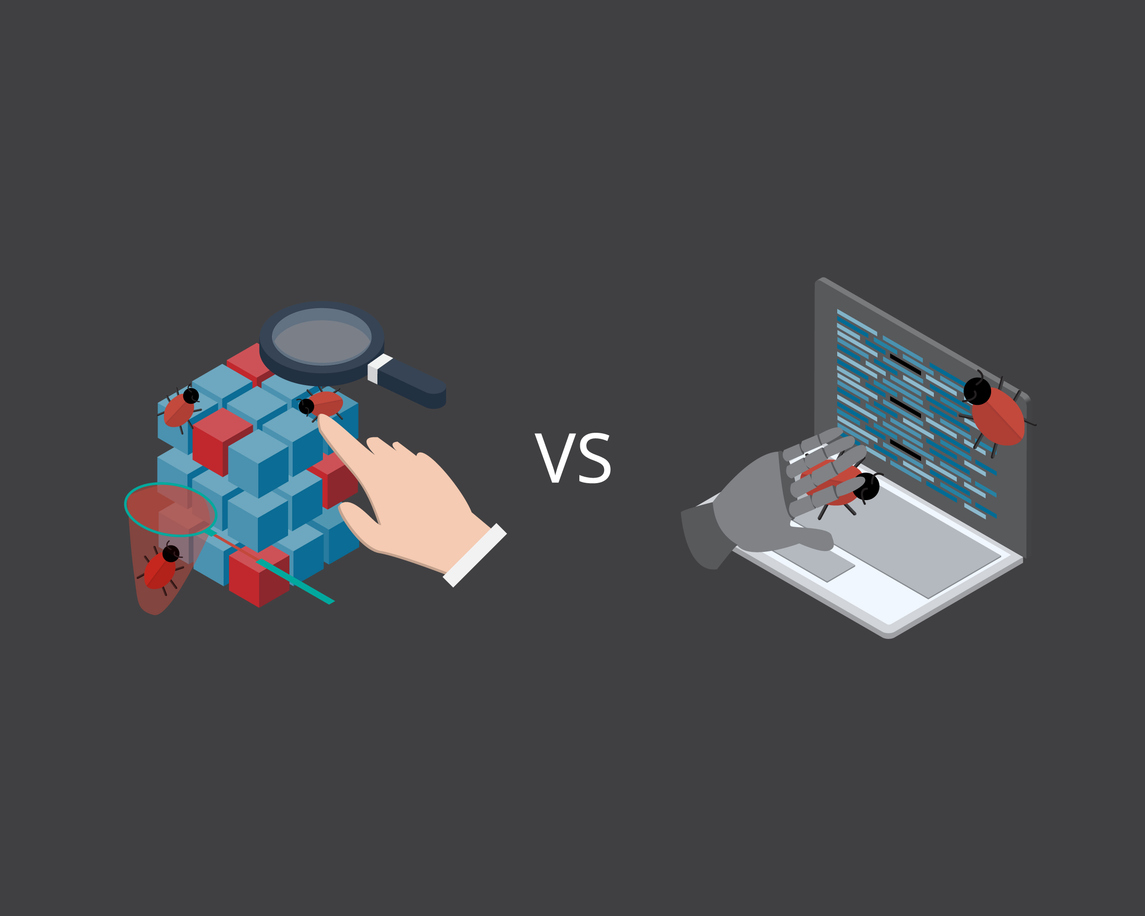
Traditional healthcare QA processes are heavily manual and documentation-intensive. Test plans, test cases, execution logs, traceability matrices, and validation reports must all be created, maintained, and stored—often across multiple systems. When audits occur, teams scramble to assemble evidence, validate coverage, and prove adherence to regulatory requirements.
This approach is slow, error-prone, and costly. Worse, it diverts QA teams away from higher-value work like risk-based testing, automation strategy, and continuous quality improvement.
AI offers a path forward—but only if it’s applied safely and responsibly.
Audit-Ready Artifact Generation with AI
One of the most impactful applications of AI in healthcare QA is automated, audit-ready artifact generation. AI-first QA platforms can automatically generate and maintain critical compliance documentation as a byproduct of testing activity—not as a separate manual effort.
This includes:
- Test cases mapped to requirements and regulations
- Execution records with timestamps and evidence
- Defect traceability and resolution history
- Validation summaries and compliance reports
Because artifacts are generated continuously and consistently, QA teams are always audit-ready. Documentation stays current as applications evolve, eliminating last-minute scrambles and reducing compliance risk.
PHI-Safe Testing by Design
Healthcare QA must also protect patient data at every stage of the testing lifecycle. AI-powered QA solutions can be designed to support PHI-safe testing, ensuring sensitive information is never exposed, copied, or mishandled.
This includes:
- Synthetic data generation that mimics real-world scenarios without using live PHI
- Masking and anonymization of sensitive fields
- Controlled access and role-based permissions
- Secure storage and handling of test artifacts
By embedding privacy safeguards directly into QA workflows, organizations can confidently expand test coverage without increasing risk.
Compliance Efficiency Without Slowing Innovation
Perhaps the greatest benefit of AI-driven QA in healthcare is efficiency. AI-generated documentation, intelligent test coverage, and automated traceability significantly reduce the operational burden of compliance. QA teams spend less time maintaining paperwork and more time validating real-world clinical workflows, integrations, and edge cases.
The result is a QA process that supports both regulatory rigor and rapid innovation—not one at the expense of the other.
The Future of Healthcare QA
As healthcare organizations continue adopting AI, digital platforms, and data-driven care models, QA must keep pace. AI-powered, compliance-aware QA transforms quality from a bottleneck into a strategic advantage—one that delivers confidence to regulators, protection for patients, and speed for innovation.
In the age of regulation and AI, healthcare QA isn’t just about testing software. It’s about proving trust.