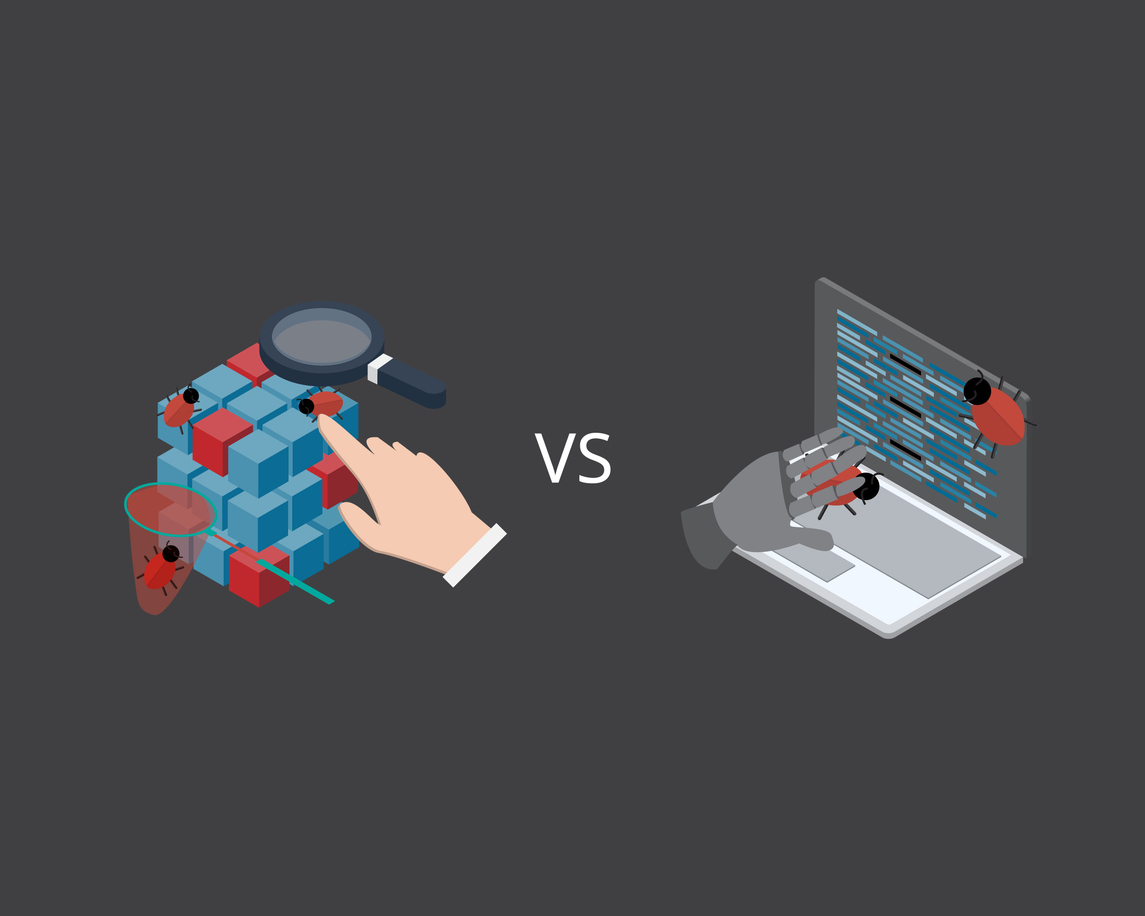
How AIQ Transforms a Cost Center Into a Continuously Learning Asset
Software leaders spend years modernizing their development pipelines, yet one bottleneck continues to sabotage velocity, quality, and innovation: test debt. For CIOs managing complex portfolios, test debt is more than a QA problem—it’s an enterprise-wide drag on cycle time, release predictability, and customer experience.
Generative AI is changing that. And with Appvance IQ (AIQ), test debt becomes not just manageable, but transformable into test intelligence—a self-improving asset that strengthens with every release.
What Is Test Debt?
Test debt is the accumulation of gaps, inefficiencies, and fragility within an organization’s testing ecosystem. It includes:
- Outdated or incomplete test cases that no longer reflect real user behavior
- Manual scripts that drain resources and slow delivery
- Record-and-replay tests that break after minor UI changes
- Thousands of unexecuted or unmaintained tests sitting in repositories
- Siloed knowledge that disappears when engineers leave
Test debt grows organically and silently. Over time, it leads to longer regression cycles, higher defect leakage, more firefighting, and reduced confidence in every deployment. For many CIOs, test debt is the number one reason release cycles expand instead of contract.
Why Test Debt Matters to CIOs
Left unchecked, test debt produces measurable business impact:
- Longer cycle times: Regression cycles balloon from days to weeks as test suites grow.
- Higher defect rates: Poor or incomplete coverage lets critical issues escape into production.
- Escalating QA costs: Teams spend 40–60% of their time maintaining scripts instead of improving quality.
- Slow modernization: Cloud migrations, platform upgrades, and redesigns stall without reliable tests.
The result is a quality function that is reactive, expensive, and perpetually behind the needs of the business.
From Test Debt to Test Intelligence
AIQ introduces a new operating model—AI-First QA—where generative AI does the heavy lifting of test creation, maintenance, and optimization. Instead of human-authored scripts that accumulate debt, AIQ builds a continuously learning intelligence layer on top of the application.
1. Automated Test Creation
AIQ’s generative engine creates tests in minutes based on application behavior, logs, APIs, and user flows. This eliminates months of manual scripting and instantly closes coverage gaps.
2. Self-Auditing and Maintenance
AIQ adapts tests as the application evolves, reducing maintenance by 70–90%. Test debt no longer compounds—AI contains it automatically.
3. Data-Driven Prioritization
By analyzing historical defects, usage patterns, and behavioral data, AIQ focuses testing where the business is most at risk. CIOs gain intelligence, not just more tests.
4. Continuous Learning Through the Digital Twin
AIQ’s Digital Twin models the entire application, updating itself with every release. Over time, it becomes the system of record for how the software behaves—something traditional QA teams could never maintain manually.
Business Outcomes CIOs Can Expect
Organizations that shift from test debt to test intelligence with AIQ consistently see:
- 30–50% faster release cycles
- 60–90% reduction in test creation and maintenance effort
- Fewer escaped defects—often by 50% or more
- Improved predictability and confidence in every deployment
These are not incremental gains. They are transformational, reshaping QA from a cost center into a strategic enabler of enterprise agility.
The Road Ahead
For CIOs looking to accelerate modernization, reduce operational drag, and mitigate risk, eliminating test debt is no longer optional—it’s foundational. AIQ provides the roadmap: automate the repetitive, codify the intelligence, and let AI continuously evolve your testing ecosystem.
The future of software quality isn’t test execution. It’s test intelligence. And AIQ is already delivering it.
Ready to turn test debt into test intelligence? See how AIQ can accelerate your next release with enterprise-grade confidence.