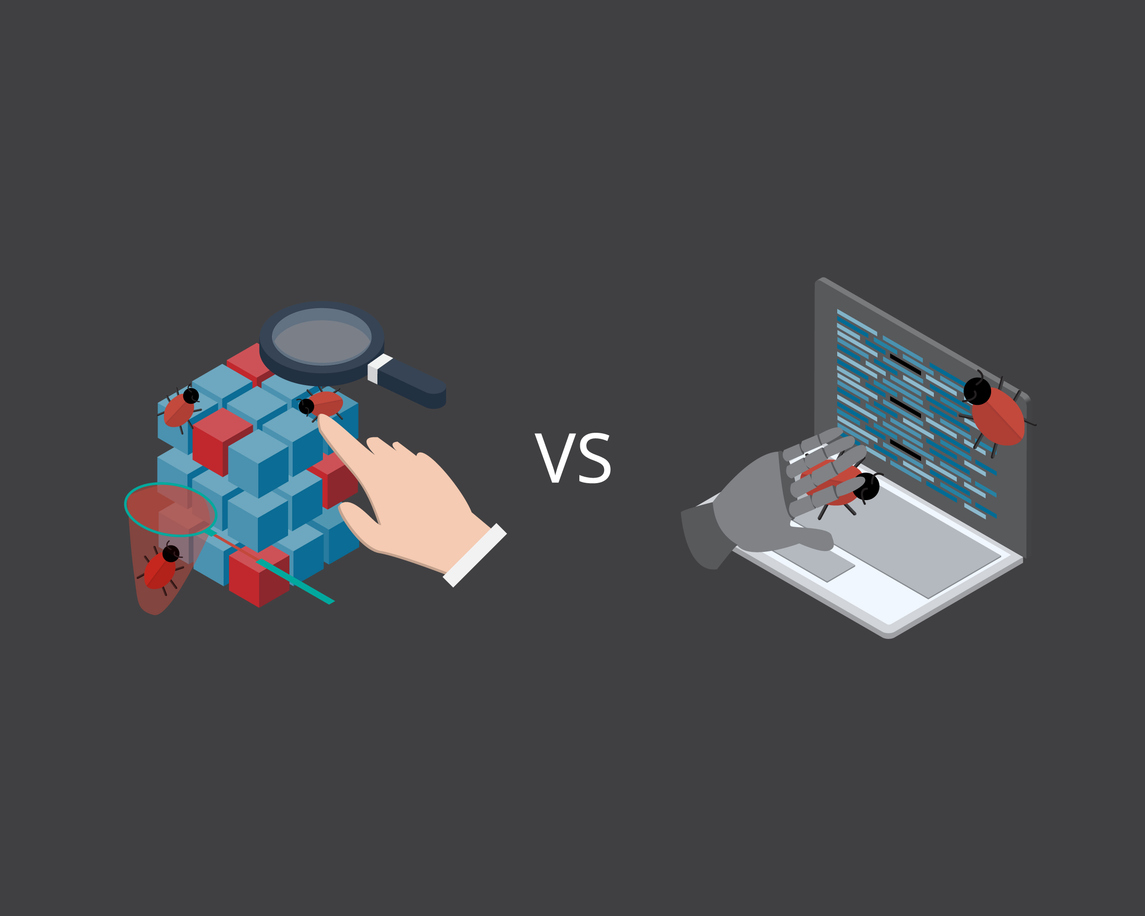
Software testing has crossed a line.

The old model required massive human effort to convert business intent into quality signals. Requirements became test cases. Test cases became scripts. Scripts became runs. Runs became reports. Every step took time, people, maintenance, and interpretation.

That is no longer the only way.

Today, our clients are already using Appvance AIQ to begin with intent and move directly to automated testing outcomes.

Business requirements.
User stories.
Gherkin.
Manual test cases.
Other project artifacts.

AI can now use these inputs to create test cases, generate scripts, execute them, and produce results in hours.

And with AISG, Appvance goes beyond traditional test coverage. AISG expands bug visibility and application coverage by roughly 10X by testing business requirements across many application states, not just the narrow path contained in a traditional test case.

That changes release confidence.

Leaders can now see rapid regression results and a much broader view of hidden defects before release. They can move faster, reduce risk, and avoid depending on users to find bugs in production.

One QA lead guiding AI can now do what previously required teams of people.

This is not coming.

This is here.
Recent Blog Posts

Read Other Recent Articles

“AI-powered testing” can describe very different capabilities. One system turns a documented test case into executable automation. Another explores application behavior to identify meaningful tests nobody documented. Both generate tests. But they solve different problems. Understanding GENI vs. AISG Bug Hunter starts with that distinction: GENI automates existing test intent, while AISG Bug Hunter uses

Your regression suite passes. Every documented test case runs successfully. The release looks ready. Then a customer takes a perfectly valid path through your application—and something breaks. Nobody skipped a test. Nobody ignored a requirement. The problem was a workflow your team never thought to include. That is one of software testing’s hardest challenges: how

Your regression suite passes. Your code coverage looks strong. Then a customer encounters a defect in a workflow nobody tested. How does that happen? Coverage metrics answer different questions. Testing every documented requirement, executing most of your code, and exploring the application states users encounter are related—but distinct—goals. Understanding those differences helps QA teams see

Empower Your Team. Unleash More Potential. See What AIQ Can Do For Your Business

footer cta image
footer cta image